AI Literacy and Chatbots
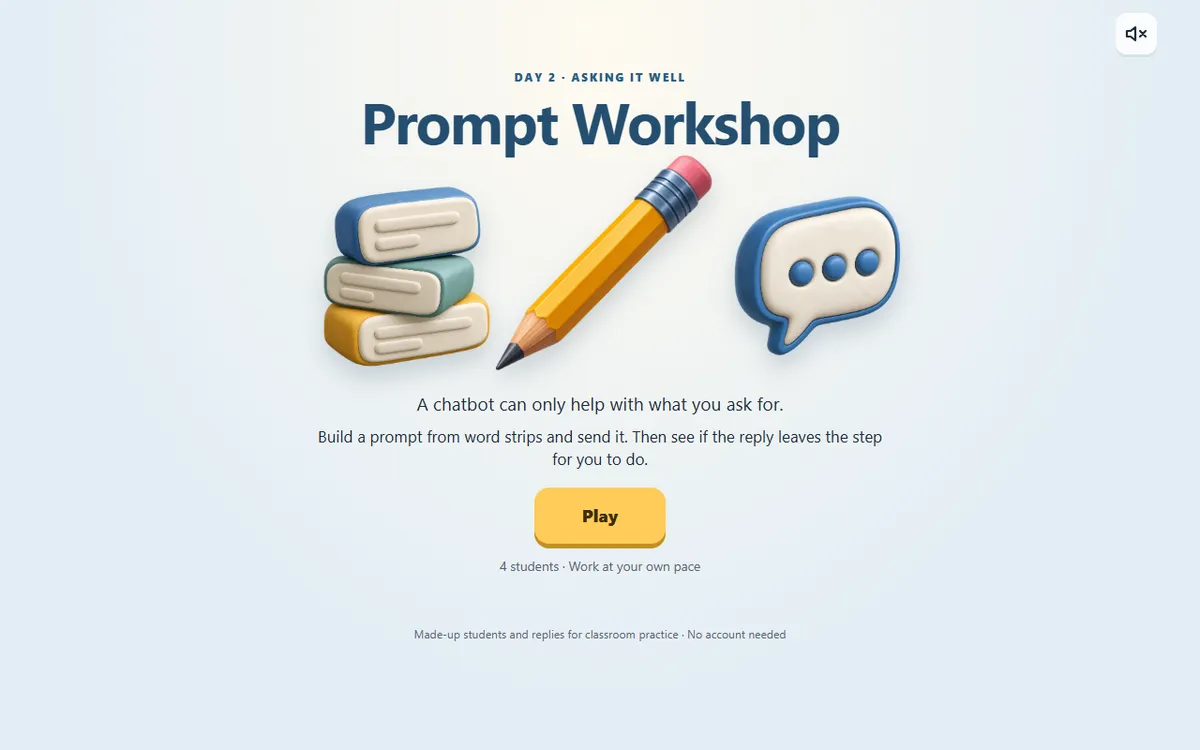
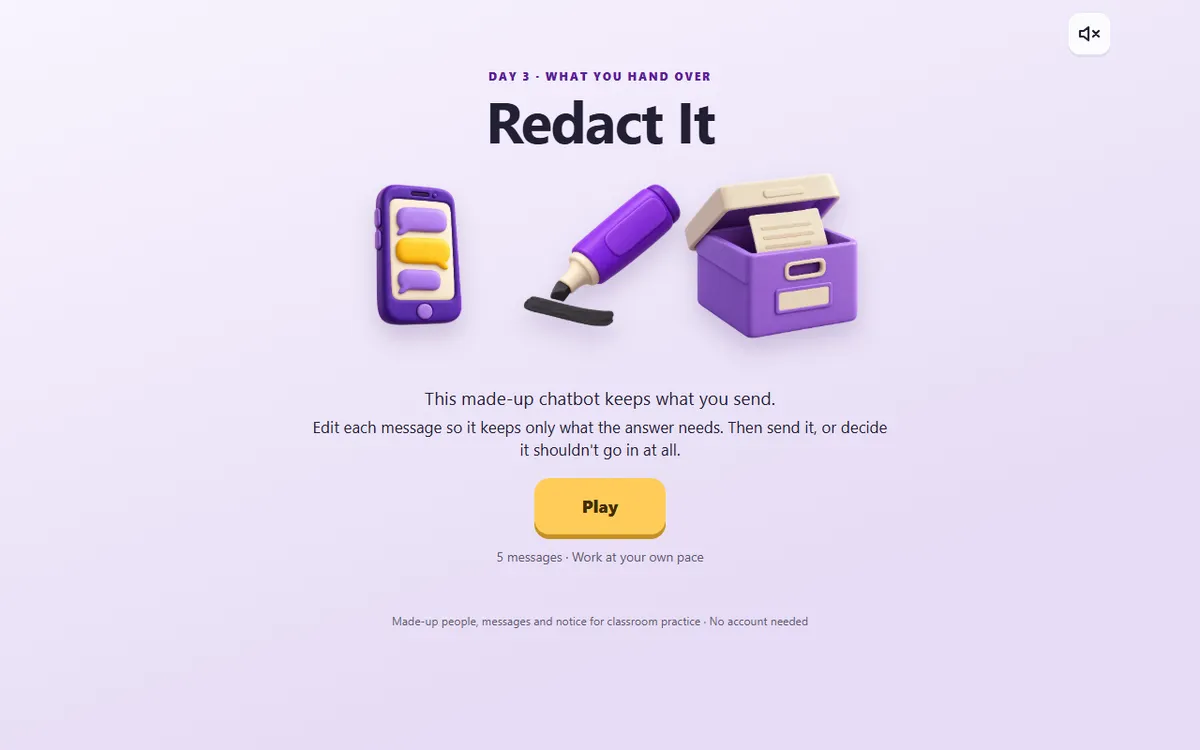
Four days on what a chatbot actually is, how to ask it well, what you hand over when you type, and who to turn to when a question needs a person.
Eight standalone units on your digital footprint, social media and online safety, cyberbullying and digital drama, misinformation, online relationships, screen time, AI chatbots, and account security. Every game practices one day's idea with fresh situations and real feedback.
Four days on what a chatbot actually is, how to ask it well, what you hand over when you type, and who to turn to when a question needs a person.
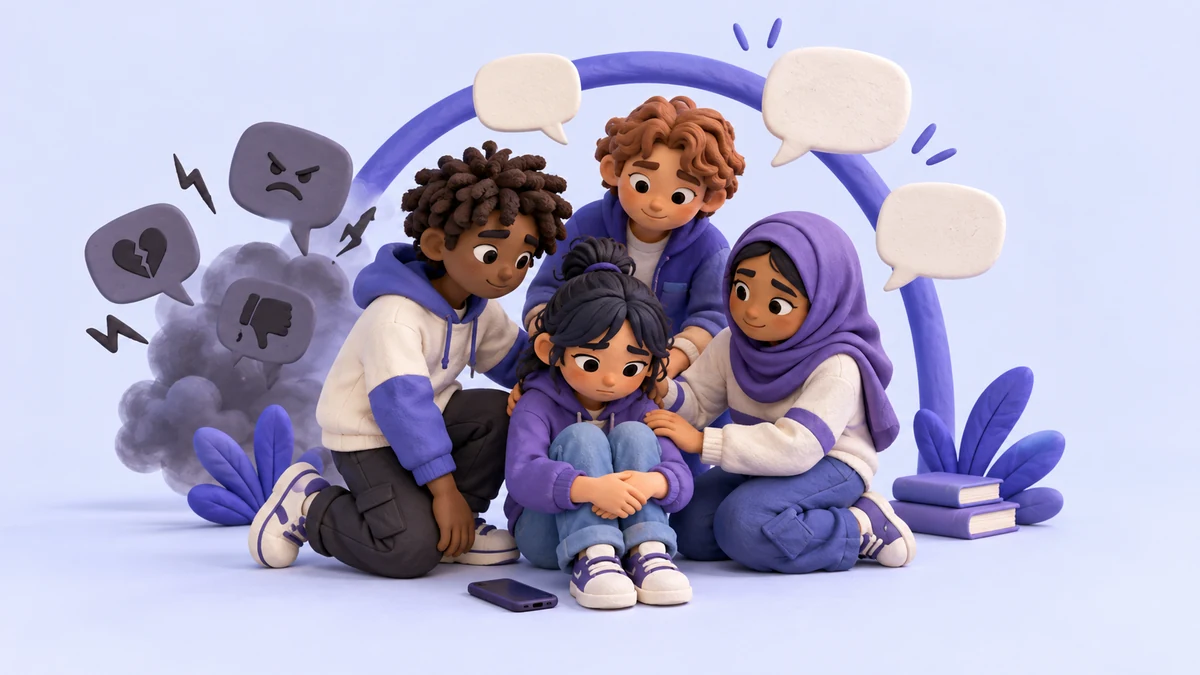
Four days on telling drama, cyberbullying and hate speech apart, why cruelty comes easier online, when a school can act on a post, and what to do when someone is targeted.

Three days on who puts your information online, what small posts add up to, and what you can actually change.

Three days on what a post is really claiming, how to tell whether a website is trustworthy, and what to do before you share something.

Three days on what a message really says, who will read it before you send, and how to fix one that went wrong.

Four days on what an app is built to do, what it takes from your day, what the research says about social media and mental health, and what you can change.
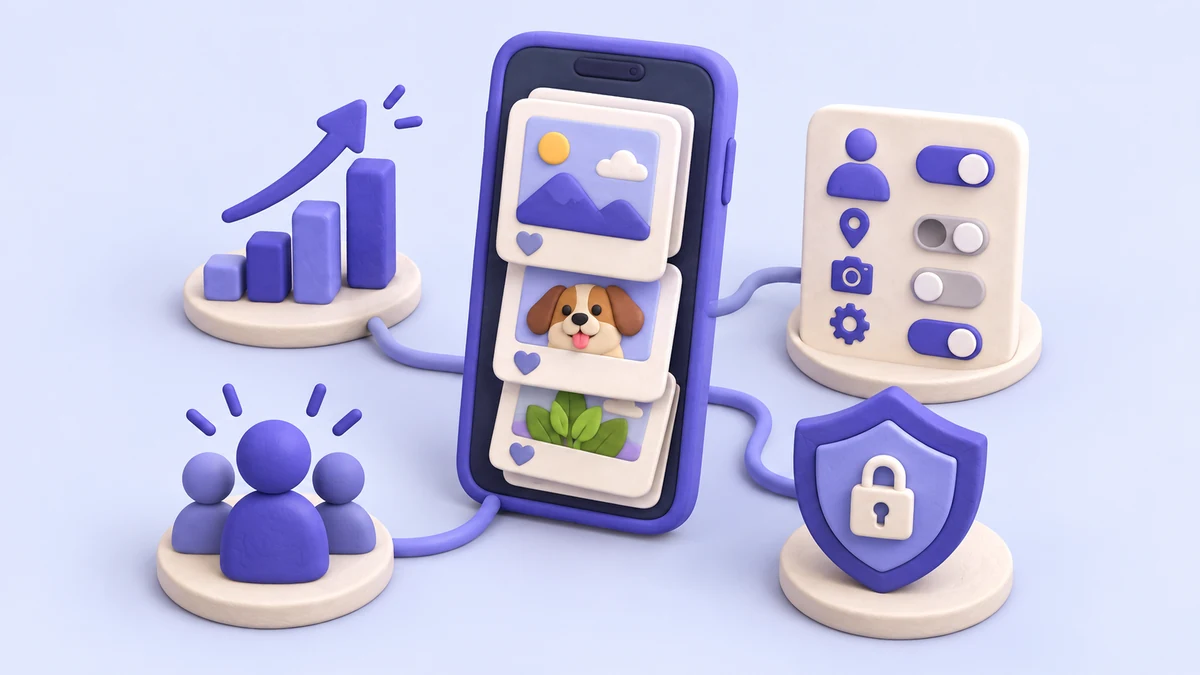
Three days on why a post lands at the top of a feed, what a free app knows about you, and how to spot online pressure early.

Three days on how passwords get cracked, how a second step proves it's really you, and how to take an account back after a break-in.
Yes. Every game on this page is free to play, with no trial and nothing to buy. They are companions to our teaching units, and you can use them without owning one.
No. A student opens the link and the game starts. There is nothing to install and no code to enter.
They run in a web browser on Chromebooks, laptops and tablets. Some of these games need more room than a phone gives and say so when a student opens one on a phone; the others work on phones too. Sound is off until a student turns it on, and the games project well for a whole-class round.
The games never ask for a name, an email or an account, and nothing a student types or chooses in a game is sent anywhere. Where a game keeps a best score, it stays on that student's own device. The page itself counts anonymous visits with Google Analytics, the same as the rest of this site.
No. Every app, feed, post, chat and person in the games is invented. Nothing connects to a real account, and nothing a student does in a game is posted anywhere.
Grades 9 to 12. Each game was built for one teaching day of a high school unit and uses the same vocabulary as that day's lesson.
No. Every game opens by explaining the idea it practices, so it can stand alone. It lands best right after the lesson it was built for, which is why each game is tied to a specific day of a unit.For classroom activities that need no screens, seeDigital Citizenship Activities for High School.